Gen Z includes people born between 1997 and 2012. As this group enters the workforce, they bring unique preferences that are changing job trends.
By 2026, Gen Z is expected to comprise 27% of the global workforce, rising to about 30% in the United States by 2030. This growth means their influence on job markets and workplace culture is significant.
When it comes to job preferences, Gen Z places a high value on salary, with about 70% ranking pay as a top priority. They expect high starting salaries and job security.
Flexibility in the workplace is crucial for them; 72% have left or considered leaving a job due to rigid work policies. They prefer a mix of in-person and remote work to achieve a better work-life balance.
Career advancement is also vital, with 87% of undergraduates stating that learning and development opportunities are important in their job searches. They actively seek to acquire new skills to help them progress in their careers.
To attract Gen Z talent, companies are developing various recruitment trends. Social media platforms like Instagram, TikTok, and YouTube are important for engaging with this generation, reflecting their comfort with digital tools. Offering flexible work arrangements is essential, as Gen Z values work-life balance, and transparency regarding salaries and benefits is necessary to win them over.
When job hunting, the recruiting trend shows Gen Z primarily uses platforms like LinkedIn and Indeed, with 78% relying on these sites. They prefer digital applications and appreciate modern recruitment practices, including virtual interviews. Companies need to adapt their approaches to meet Gen Z’s expectations.
Another challenge for employers is ensuring transparency and clear communication. Gen Z seeks detailed job descriptions and wants clear information about roles, salaries, and hiring timelines.
The Rise of Hybrid Work: A New Normal
Before COVID-19, remote work seemed almost impossible for many companies. However, the pandemic dramatically changed that perspective.
Now, organizations like Spotify have embraced work-from-home policies, making hybrid and remote work the new norm.
According to our survey, 76% of respondents reported that their employers have adopted a hybrid model.
Interestingly, 34% of knowledge workers believe that remote work means they can work from anywhere in the world, not just the comfort of home or a nearby office. The demand for flexible work is clear; a recent survey shows that 64% of talent prefer to work entirely remotely. On the other hand, only 2% of respondents want to return to a fully in-office setting.
Preferences for hybrid work vary, with 11% of people favoring one or two days in the office, while 22% prefer a schedule that includes three or four days of remote work. Thus, hybrid and remote work models are one of the important hiring market trends.
Flexibility Is the Key to Happy Employees
Korn Ferry’s latest workforce survey shows that flexibility is a top priority for workers today. It plays a big role in whether people choose to stay at their jobs or decide to leave.
When businesses offer flexible work arrangements, they don’t just help employees—they also reduce their carbon footprint and cut operational costs. Plus, they can create more attractive benefits to appeal to new talent.
The shift toward this recruiting trend helps employees achieve a healthier work-life balance, but it also encourages them to adapt to new workplace environments.
Collaborating with team members from different backgrounds and cultures fosters a more inclusive atmosphere.
As seen in recruitment news, companies are experimenting with different flexible schedules, like four-day work weeks and hybrid options.
Many organizations are shifting their focus from simply counting hours worked to prioritizing outcomes. This understanding that productivity can thrive in flexible settings is reshaping the future of work.
Putting People First: The Focus on Wellbeing
Employee well-being is quickly becoming a key focus in recruitment strategies for 2026. Over 80% of employees
consider company support for health and well-being important when choosing a job.
Additionally, about 37% of organizations have budgets for health and wellness programs, rising to 57% among larger companies.
Burnout is a significant issue, with around one-third of employees experiencing persistent burnout, indicating the need for companies to prioritize mental health. The COVID-19 pandemic has heightened awareness of work-life balance, making well-being a necessity for job seekers. Candidates often ask about mental health support during interviews.
Companies that prioritize employee well-being often see increased engagement and productivity. Employees who feel supported are more likely to stay, reducing turnover and hiring costs. Effective leadership also matters because leaders who focus on employee health can support engagement and loyalty.
The Growing Importance of DEI
76% of employees and jobseekers prioritize a diverse workforce when evaluating job offers. With Millennials projected to make up 75% of the global workforce by 2026, the demand for inclusivity is growing.
Recent social movements have heightened awareness of the need for equity in the workplace. Additionally, diverse leadership teams are 35% more likely to outperform their peers financially.
Plus, it leads to enhanced employee engagement and retention.
To bring DEI into recruitment, companies can start by using tools like Recooty and Textio to review language in job descriptions and candidate assessments.
Implementing blind hiring practices, where identifiable information is removed from applications, allows recruiters to focus solely on candidates’ skills and experiences.
Partnering with diversity-focused platforms such as Fairygodboss and PowerToFly can help connect organizations with diverse talent pools. Conducting anonymous surveys can provide valuable feedback on the company’s diversity landscape, identifying areas for improvement.
The Shift to Data-Driven Recruitment
As we head into 2026, data-driven recruitment is becoming one of the major hiring and recruiting strategies. Companies are now relying on data and analytics to improve their hiring processes and make better decisions.
One key reason for this shift is that 67% of HR leaders plan to invest in HR analytics to streamline hiring.
Data-driven recruitment helps in several ways. First, it provides insights that enhance decision-making. By using statistics, companies can identify the best sourcing channels and understand what candidates expect. This leads to a smoother application process and a better overall experience for job seekers.
Another advantage of this recruiting trend is improved retention rates.
Predictive analytics can reduce employee turnover by up to 50% by helping organizations understand why employees leave and what can be done to keep them.
Moreover, hiring based on skills rather than education is becoming more popular; studies show that hiring for skills is five times better at predicting job performance.
The rise of applicant tracking systems (ATS) is also a factor. About 78% of companies report that ATS has made their hiring processes easier. Those using an ATS achieve 2-3 times better results in quality of hire, time to hire, and employee retention.
In summary, data-driven recruitment is set to be one of the key recruitment trends in 2026.
Creating Better Candidate Experiences Through Technology
Candidate experience in 2026 refers to how job seekers feel about a company’s hiring process. This includes everything from the job search to the final hiring decision.
A positive candidate experience is important because it helps build a strong employer brand, attracts great talent, and creates lasting relationships with candidates.
As companies focus more on results than hours worked, job seekers are increasingly relying on online reviews to decide if they want to apply.
The application process is a key moment for candidates to see how well a company supports its team. If the application is confusing or complicated, the company might miss out on top talent.
In 2026, technology will play a big role in candidate experience.
Tools like AI, gamification, virtual reality, and mobile-friendly applications will make the process more engaging and efficient.
However, there are still areas to improve. Only 26% of job seekers in North America say they have had a great candidate experience. Poor communication is a major issue, with 65% of candidates facing inconsistent updates during the hiring process.
On the bright side, 78% of candidates who have positive experience are likely to share that with others. Additionally, 87% of companies are now using AI tools to make hiring more efficient.
If you want to improve your candidate experience, check out the guide to Improving Candidate Experience
Quiet Quitting Phenomenon
Quiet quitting recruiting trend is becoming a big issue in the job market and is influencing how companies hire. This term refers to when employees only do what is required in their job descriptions and avoid going above and beyond.
Recent hiring trends show that about 62% of employees around the world are not engaged in their work, meaning they’re just doing the bare minimum.
In the U.S., around 50% of workers feel disengaged, while only 14% of workers in Europe report feeling engaged. South Asia shows a better engagement level at 33%. These numbers highlight how challenging it is for companies to keep their employees motivated.
To improve their hiring, organizations must create an employer brand that matches the hopes and values of the candidates they want to attract.
This means paying attention to how candidates share the company’s mission and values during the hiring process. Companies are also focusing on making employees feel valued by offering career development opportunities and a positive work environment.
Additionally, promoting work-life balance and mental health support is becoming more important.
Increase in Freelancing and Contract-Based Hiring
Freelancing and contract-based hiring are changing how companies find workers.
According to surveys from staffing firm Robert Half, 62% of IT managers plan to hire more temporary workers to fill skill gaps and support important projects.
Additionally, 43% of IT professionals are now open to contract work, showing a shift toward flexible jobs.
The gig economy is growing fast. Its market size is expected to rise from $556.7 billion in 2026 to $1,847 billion by 2032. This means freelancing is playing a bigger role in the global economy. The freelance platform market is also expected to grow, going from $8.39 billion in 2026 to $16.89 billion by 2029.
In the United States, about 36% of workers are part of the gig economy, either as their main job or a side gig. The push for remote work, especially after COVID-19, has made it easier for companies to hire freelancers from anywhere in the world.
Many industries are using freelancers and contract workers. The technology sector often hires freelancers to manage projects and access special skills. Big companies and small businesses use freelancers differently—large companies focus on innovation and cost savings, while small businesses enjoy the flexibility and lower costs freelancers provide.
Recruitment strategies are changing to keep up with this trend. Companies are focusing more on flexible work models and using advanced technology like AI to make hiring easier. They are now looking for skills and results rather than just traditional job experience.
Importance of Salary Transparency in Attracting Top Talent
Ambiguous salary ranges are becoming less common, says Tony Le, director of talent acquisition at Mission Cloud, in part due to new laws designed to enhance fairness and equity by requiring employers to disclose salary ranges and benefits up front.
 Even though negotiating salary is still important, many states now enforce salary transparency. This means companies often include clear salary information in job descriptions, especially for remote or hybrid positions.
Having better benefits than other companies can help attract and keep talent. However, candidates need to know about these benefits to make informed choices. If they don’t see what a company offers, they might not consider it.
 All Recooty Articles, HR Tutorials and Tips, Trending Topics








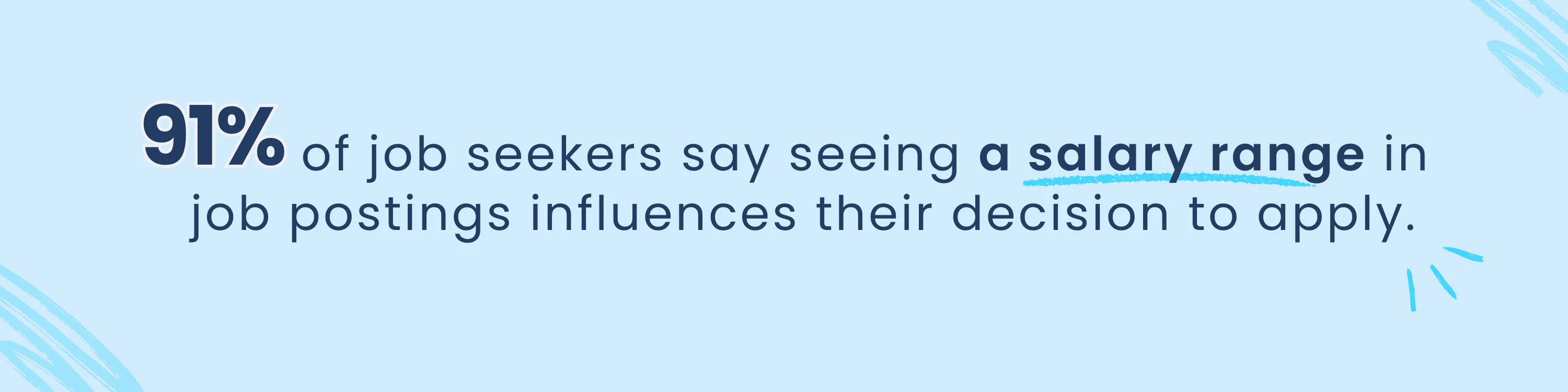 Even though negotiating salary is still important, many states now enforce salary transparency. This means companies often include clear salary information in job descriptions, especially for remote or hybrid positions.